
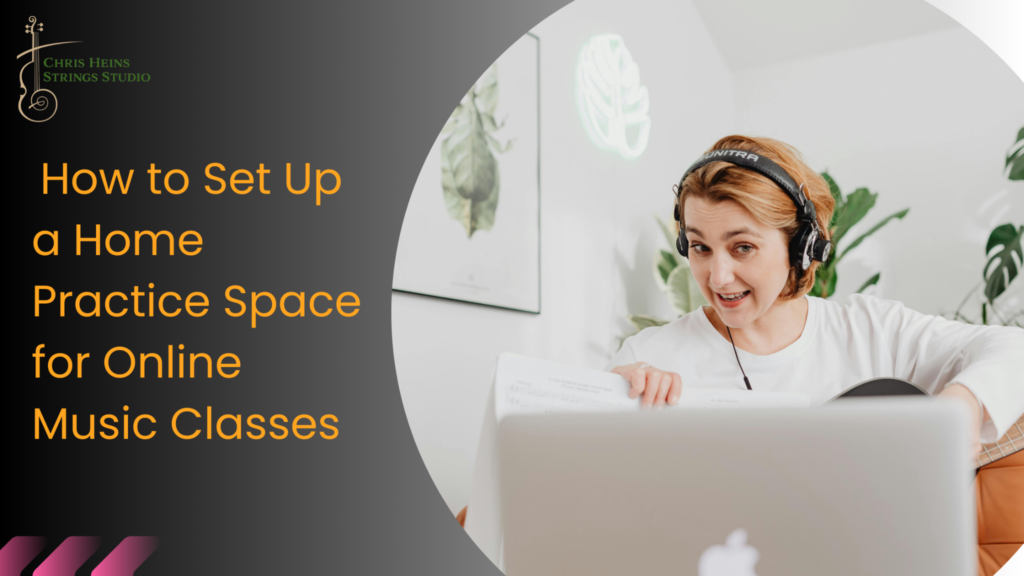
- A well-set home practice space helps students stay focused, organized, and consistent during online lessons, making each session feel smoother and more productive.
- Smart camera, audio, and device setups make it easier for teachers to see posture, hear tone, and guide technique in real time without interruptions.
- A motivating environment with accessible tools and personal touches encourages smoother, more enjoyable daily practice that students actually look forward to.
A great practice space doesn’t need to be fancy, expensive, or picture-perfect. It just needs to work beautifully for you. When you’re learning music online, whether it’s violin, viola, or cello, the space you sit in affects everything: your focus, your sound, your posture, your mood, and even your willingness to practice consistently. And while online classes give you flexibility and convenience, the environment you create at home is what turns every lesson into real progress.
Here is how to build a home setup that supports clarity, confidence, and steady growth in your online music lessons.
1. Build a Space That Helps You Focus
Your practice spot doesn’t have to be a separate room, but it does have to support the way you learn. The right space removes distractions, encourages good posture, and lets you move comfortably with your instrument.
a. Choose a Spot With Steady Lighting
Clear lighting helps you see finger placement, bow angle, posture, and sheet music without straining your eyes. Natural light works wonderfully during the day, but if you’re practicing in the evening, a warm lamp placed slightly in front of you avoids harsh shadows on your hands or strings. Good lighting also helps your teacher observe your technique more accurately on camera.
This small detail makes lessons smoother and helps your expert music teacher give clearer feedback.
b. Create Enough Physical Space for Your Full Playing Range
String instruments need movement space. A violin arm needs full bow reach, a viola requires rounder movements, and a cello needs room for both the endpin and your upper body. Choose a spot where your bow won’t hit furniture, walls, or décor.
This also frees you mentally, it’s easier to concentrate when you’re not afraid of knocking something over.
c. Use a Chair or Stool That Supports Good Posture
Posture shapes your sound. A stable, backless stool works well for most players because it helps keep the spine aligned and the shoulders relaxed. Avoid overly cushioned chairs, rocking chairs, or anything that makes you sink or slouch.
A supportive seat keeps your body free and responsive, especially during longer online music lessons where posture can change without you noticing.
d. Keep a Dedicated Spot for Your Instrument and Accessories
One of the fastest ways to build practice consistency is by reducing setup time. A stand or small corner with your rosin, shoulder rest, tuner, cleaning cloth, spare strings, and music sheets makes it easy to begin.
When everything you need is already in the space, you practice more often, and with fewer interruptions.
e. Reduce Household Distractions with Simple Boundaries
You don’t need a soundproof room, but you do need a clear psychological boundary. This can be as simple as facing away from high-traffic areas, closing the door, turning off notifications, or letting family members know your practice schedule.
The space signals your brain that it’s time to focus, not multitask.
2. Set Up Your Tech for Better Lessons
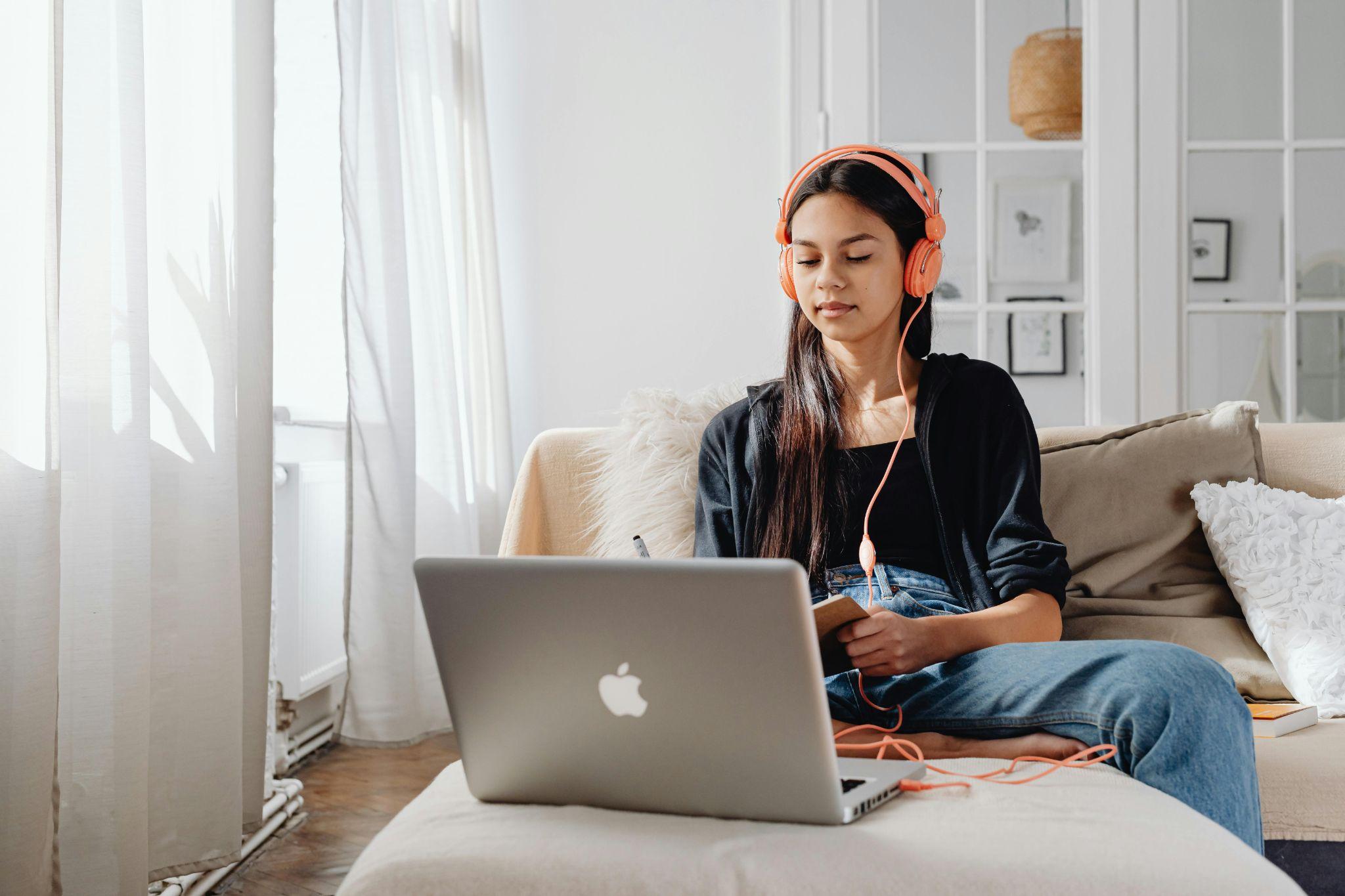
Online lessons rely heavily on what your teacher sees and hears. You don’t need professional equipment, but a thoughtful setup can transform how effectively you learn.
a. Position Your Camera to Capture Your Posture and Technique Clearly
The camera should show your full upper body: hands, arms, bow, shoulders, and instrument. If you play violin or viola, a 45-degree angle often works well; for cello, a front-angled or slightly elevated position helps your teacher see both hands. A small tripod or stack of books can make this consistent week after week.
A clear, stable camera angle also helps your teacher catch subtle posture adjustments that are easy to miss in person, speeding up your progress.
b. Use a Microphone or Device Placement That Supports Cleaner Sound
Built-in microphones can work, but placing your device too close to the instrument can distort tone, while placing it too far can make everything sound faint. A middle distance, around 3 to 5 feet, balances clarity and warmth. If you ever upgrade equipment, a simple USB mic can dramatically improve your teacher’s ability to evaluate bow pressure and tone quality.
This cleaner audio helps your instructor guide you with much more precision, especially during tone work and bow-control exercises.
c. Stabilize Your Internet Connection for Smooth Online Classes
Online lessons feel frustrating when the audio freezes or the video lags, especially in technical sections. A strong Wi-Fi signal or direct Ethernet connection reduces interruptions and allows your teacher to hear subtle details in your playing. A stable connection also helps you stay more present and confident during lessons.
Good connectivity also ensures your teacher’s demonstrations reach you clearly, so you can mimic tone, bowing, and phrasing more accurately.
d. Keep Digital Tools Accessible During Practice Sessions
Whether you use a metronome app, digital tuner, PDF sheet music, or practice tracks, having your device positioned where you can reach it easily minimizes disruptions. This setup creates a flow, it lets you move seamlessly between instruction, demonstration, and playing.
When your tools are within reach, you stay in “learning mode” longer, which helps your brain retain new skills more effectively.
e. Choose Headphones or Speakers That Make Listening Easy
Clear audio from your teacher matters as much as sound from your instrument. Comfortable headphones reduce background noise, while good speakers can make demonstrations easier to follow. Better listening means better learning, especially when deciphering tone color or finger placement nuances.
Good listening equipment also helps you hear pitch and intonation more accurately, making your practice cleaner and more confident.
3. Create a Space That Inspires Practice
A great practice space isn’t just functional, it encourages you to return to it. Students who enjoy their environment tend to practice longer and with more intention.
a. Make the Space Feel Calm, Not Cluttered
Visual calmness supports musical calmness. Declutter the area around your chair, keep sheet music organized, and store accessories neatly. A clear space helps your mind stay relaxed and grounded while learning.
When the visual noise disappears, it becomes easier to stay present with the music instead of feeling pulled in different directions.
b. Add Small Personal Touches That Inspire Practice
A small plant, a favorite poster, soft lighting, or a music stand you enjoy using can make the space feel warm. These subtle details make practice sessions feel more inviting and less like a chore. Students often underestimate how much atmosphere affects motivation.
Even tiny bursts of personality can lift your mood, making it easier to return to your instrument with enthusiasm day after day.
c. Use a Practice Routine That Gives Your Space a Rhythm
Your space becomes meaningful when it becomes part of a habit. A warm-up ritual, cleaning your strings, tuning slowly, doing a few bow strokes, gives your brain a cue that you’re entering music mode. This consistency strengthens the relationship between your environment and your focus.
A familiar routine also helps reduce performance anxiety, easing you into each session with a steady, grounded mindset.
d. Keep Your Practice Tools Within Easy Reach
Instruments in cases stay unplayed. Instruments on stands get used. The same goes for tuners, rosin, pencils, shoulder rests, and sheet music. When everything stays accessible, practice feels lighter and more spontaneous, and you’re far more likely to pick up your instrument for a quick five-minute session.
Easy access creates momentum, turning short practice bursts into meaningful progress without the mental barrier of setup time.
e. Create a Quiet Ritual for Ending Each Practice Session
Wiping down your violin, viola, or cello, gently placing your instrument back in its spot, or noting something you improved, helps you close the session with intention. This keeps your practice space feeling respected, cared for, and ready for the next session.
A simple closing ritual also helps your brain mark the progress you made, reinforcing motivation for the next time you return.
Where Small Setup Choices Create Big Musical Wins
The room you practice in plays a bigger role than most people expect. When it feels calm, organized, and genuinely yours, you show up differently. You listen better. You concentrate longer. You play with more intention. A good space doesn’t make you a better musician overnight; it simply makes it easier to grow, one practice session at a time.
Chris Heins Strings Studio turns online and in-person lessons into real musical progress with clear teaching, great technique, and steady direction. Get in touch to start violin, viola, or cello training with an expert music teacher who knows how to bring out your best.